
Autoimmunity

Understanding Autoimmune Disease:
From Traditional Treatment to Functional Medicine
What Is Autoimmune Disease?
Autoimmune disease happens when your body’s defense system gets confused. Instead of fighting germs and viruses, it attacks your own healthy cells. It’s like having security guards that start attacking the people they’re supposed to protect. This mistake can damage different parts of your body, like your joints, skin, or organs.Who Gets Autoimmune Disease?
Autoimmune diseases affect millions of people around the world. In the United States alone, about 50 million Americans live with these conditions. That’s roughly one in six people. These diseases are becoming more common each year, which worries doctors and scientists. Women are much more likely to get autoimmune diseases than men. About 75% of people with these conditions are women. This means that for every man who gets an autoimmune disease, three women will get one. Scientists think this happens because of differences in hormones and how the immune system works in women versus men. Autoimmune diseases can start at any age, but they often begin when people are young adults. Many people first notice symptoms in their 20s, 30s, or 40s. However, some autoimmune diseases can start in childhood, while others don’t show up until people are older.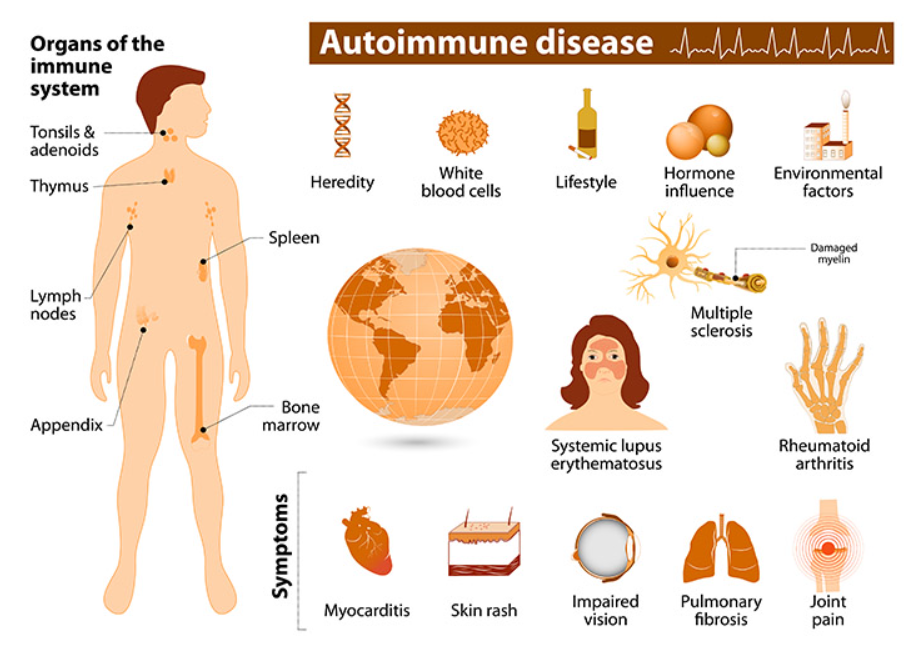
Some of the most common autoimmune diseases include rheumatoid arthritis, Type 1 diabetes, multiple sclerosis, lupus, and inflammatory bowel disease. Each one affects different parts of the body, but they all share the same basic problem of the immune system attacking healthy tissue.
How Traditional Doctors Treat Autoimmune Disease
Most medical doctors use a standard approach to treat autoimmune diseases. They focus on controlling symptoms and slowing down the immune system’s attack on the body. This usually means prescribing powerful medications.
The main types of drugs used are anti-inflammatory medicines and immunosuppressants. Anti-inflammatory drugs help reduce swelling and pain. Immunosuppressants work by weakening the immune system so it can’t attack the body as strongly. Some patients also receive steroid medications to quickly reduce inflammation during flare-ups.
While these medicines can help people feel better, they don’t cure the disease. Patients often need to take these drugs for their entire lives. The goal is to manage symptoms and prevent the disease from getting worse.

Problems with Drug-Only Treatment
Traditional drug treatments have several major drawbacks. First, they only treat symptoms instead of fixing the real problem. It’s like turning down a fire alarm without putting out the fire. The underlying issue that caused the immune system to go wrong in the first place is still there.
Second, these powerful medications can cause serious side effects. Immunosuppressant drugs make it harder for the body to fight off real infections. This means patients get sick more often with colds, flu, and other illnesses. Some of these drugs can also damage the liver, kidneys, or other organs over time.
Third, many patients find that their symptoms come back or get worse even while taking medication. The drugs may work well at first, but then become less effective. This leads to a cycle of trying stronger and stronger medications.
The Functional Medicine Approach
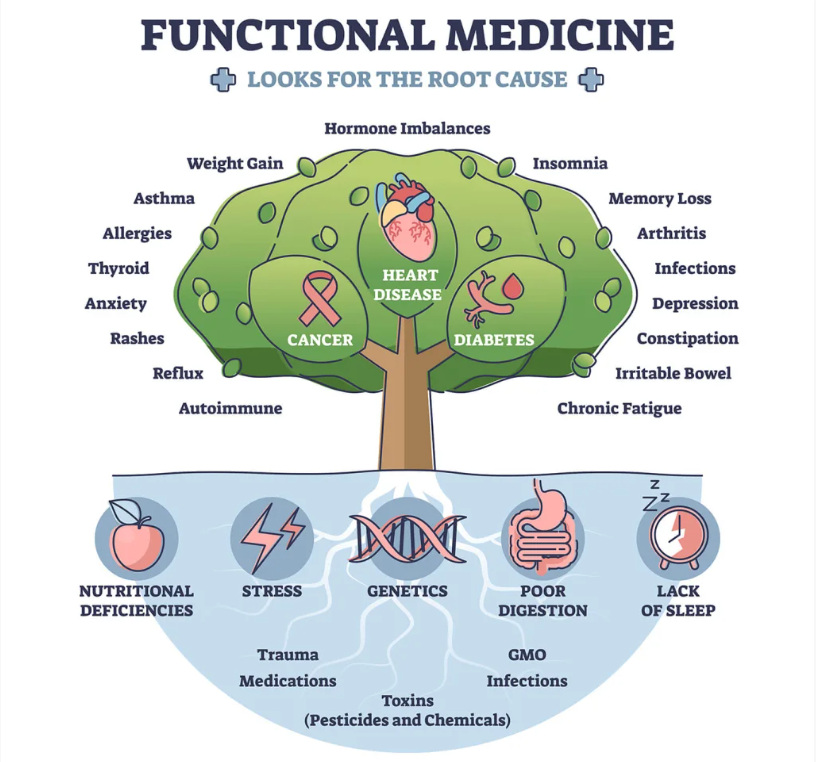
Functional medicine offers a different way to understand and treat autoimmune diseases. Instead of just managing symptoms, functional medicine doctors work like detectives. They search for the root causes that made the immune system go wrong in the first place.
These doctors look at many factors that traditional medicine often ignores. They test for food sensitivities, gut health problems, nutrient deficiencies, toxin exposure, chronic infections, and stress levels. They understand that autoimmune disease usually develops because of multiple problems working together, not just one cause.
For example, a person with rheumatoid arthritis might have a leaky gut, low vitamin D, chronic stress, and sensitivity to gluten. A functional medicine doctor would work to fix all of these issues, not just prescribe anti-inflammatory drugs.
Why Functional Medicine Works Better
Functional medicine leads to more satisfying results because it addresses the real causes of disease. When doctors fix the underlying problems, patients often see their symptoms improve dramatically. Many people are able to reduce their medications or stop taking them completely.
This approach also helps prevent other health problems from developing. When you fix gut health, reduce inflammation, and support the immune system properly, the whole body works better. Patients often report having more energy, better sleep, and improved mood along with less joint pain or other symptoms.
The Future of Autoimmune Treatment
Functional medicine is becoming the best method for treating autoimmune diseases because it treats the whole person, not just the disease. It empowers patients to take control of their health through diet, lifestyle changes, and targeted supplements. While traditional medicine still has an important role, especially during severe flare-ups, the future of autoimmune treatment lies in finding and fixing root causes.
This comprehensive approach gives patients hope for true healing, not just symptom management. As more research supports this method, functional medicine is becoming the gold standard for autoimmune care.